
Is Pilates Good For Your Pelvic Floor? (5 Benefits)
Pilates has gained immense popularity for its ability to strengthen and tone the body. But what about its impact on the often-overlooked pelvic floor muscles? Is Pilates good for pelvic floor health?
The Connection Between Pilates and Pelvic Floor Strength
Pilates, a form of exercise focusing on core strength, flexibility, and overall body awareness, can enhance pelvic floor health.
The pelvic floor muscles are a crucial part of the body's core, supporting the bladder, uterus, and rectum.
Weakness in these muscles can lead to various issues, including urinary incontinence and pelvic pain.
RELATED: Is Pilates Good For Mobility?
How Pilates Supports Pelvic Floor Muscles
Pilates exercises often involve engaging the deep core muscles, including those of the pelvic floor. Specific pilates moves strengthen pelvic floor function by improving coordination, breath control, and deep core support.
Through mindful movements and controlled breathing, Pilates helps strengthen these muscles, improving their tone and function over time.
5 Key Benefits of Pilates for the Pelvic Floor
Pilates provides a range of benefits for pelvic floor wellness.
#1) Enhances Muscle Tone and Strength
Pilates targets the deep muscles of the pelvic floor, enhancing their tone and strength.
As these muscles become stronger, they can better support the pelvic organs and improve overall pelvic stability.
#2) Improves Bladder Control
Pilates can strengthen the pelvic floor muscles, helping to improve bladder control and reduce the risk of urinary incontinence.
Improved muscle control can lead to fewer leaks and greater confidence during everyday activities.
#3) Supports Recovery After Childbirth
Pilates can be particularly beneficial in promoting postpartum recovery.
By strengthening the pelvic floor muscles, Pilates can help speed up the healing process and restore strength and function to the pelvic region.
More individualized pelvic floor-focused prenatal and postpartum Pilates can help coordinate breathing, deep core activation, pressure management, and pelvic stability in a way that better supports recovery and long-term function.
RELATED: Is Pilates Good for Diastasis Recti?
#4) Reduces Pelvic Pain
Pilates can help alleviate pelvic pain due to issues such as tightness or dysfunction by improving muscle flexibility, promoting proper alignment, and reducing tension in the pelvic area.
#5) Promotes Sexual Health and Function
Strong pelvic floor muscles are essential for sexual health and function. Pilates can help improve pelvic floor strength and control and potentially reduce pelvic pain during sex.
Ultimately, this leads to enhanced sensations during intimacy and reduces the risk of sexual dysfunction.
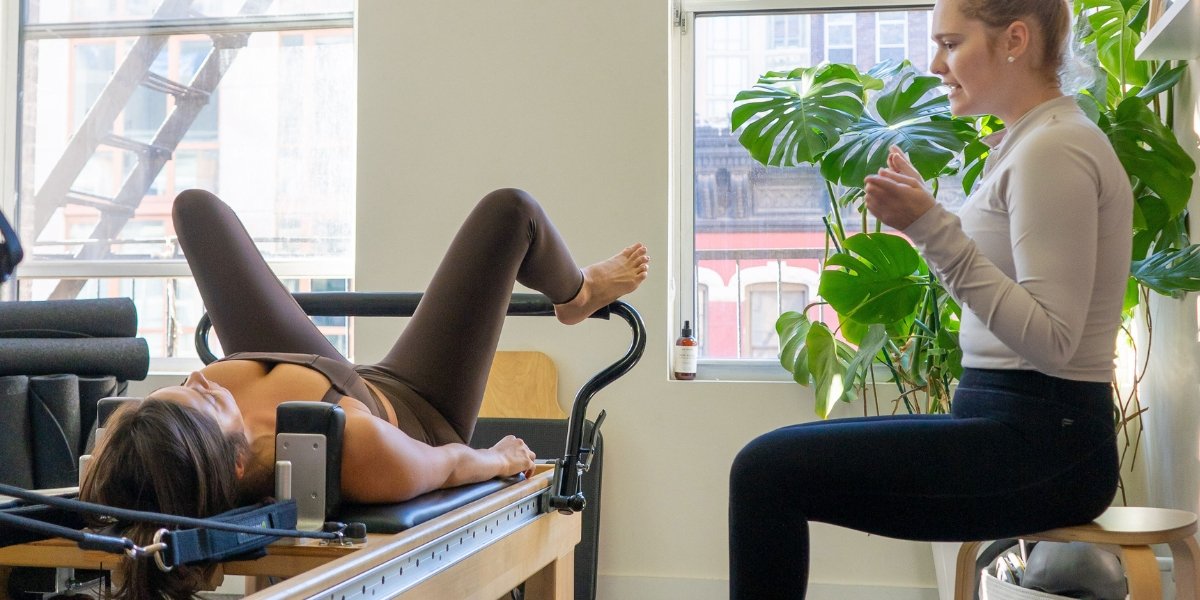
Pilates Exercises for Pelvic Floor Strengthening
Some Pilates exercises, such as pelvic tilts, bridges, and contractions, specifically target the pelvic floor muscles.
Incorporating these exercises into your Pilates routine can further enhance pelvic floor strength and function.
Starting Your Pilates Journey for Pelvic Floor Health
When beginning a Pilates practice for pelvic floor health, choosing the right class and practicing safely is essential.
Choosing the Right Pilates Class for Pelvic Floor Support
Look for Pilates classes that focus on core strength and pelvic floor awareness.
Inform your instructor about any pelvic floor issues you may have so they can modify or provide specific exercises to address your needs.
Tips for Practicing Pilates Safely
Practice proper breathing techniques and listen to your body's cues during Pilates sessions. Avoid overexertion and stop any exercise that causes pain or discomfort.
Gradually increase the intensity of your workouts as your pelvic floor strength improves.
RELATED: Can I Do Pilates If I Have a Hernia?
Is Pilates Good for Pelvic Floor Dysfunction?
Pilates can be beneficial for pelvic floor dysfunction, but it's essential to consult a healthcare professional if you're experiencing significant symptoms.
They can provide personalized recommendations and guidance based on your specific needs.
When to Consult a Healthcare Professional
If you're experiencing persistent pelvic pain, urinary incontinence, or other pelvic floor issues, consult with a healthcare provider.
They can assess your condition and recommend appropriate treatment options, which may include Pilates as part of a comprehensive approach to pelvic floor health.
Closing Thoughts: Empowering Your Pelvic Floor With Pilates
Pilates offers numerous benefits for pelvic floor health, including enhanced muscle tone, improved bladder control, and reduced pelvic pain.
Get Started Today
Transform your fitness with Private 1x1 Pilates in NYC. At The Pilates Circuit, we deliver personalized one-on-one training designed around your body, your goals, and your progression. Whether you're improving posture, building strength, or enhancing mobility, every session is structured to drive measurable results.
Book an Intro Session to experience how targeted training can make a difference. Train with us at our Chelsea Private Pilates Studio or NOMAD Private Pilates Studio.
FAQs
-
Yes, Pilates is suitable for beginners and can be adapted to accommodate individuals with injuries or physical limitations. Pilates exercises can be modified to suit different fitness levels and abilities, allowing beginners to progress at their own pace and individuals with injuries to participate safely.
A qualified instructor can provide guidance on appropriate modifications and ensure exercises are performed with proper form and technique to minimize the risk of exacerbating injuries.
The beauty of Pilates is how customizable it can be. As long as you’ve been cleared to work out by your Dr or Physical Therapist Pilates is the perfect next step.
-
Pilates can help improve flexibility through controlled, dynamic movements that lengthen and strengthen muscles. While Pilates may not specifically target achieving the splits, consistent practice can contribute to increased flexibility over time.
If your goal is flexibility, we can target that specifically in your programming.
-
Feeling sore after a Pilates workout can vary depending on your fitness level, the intensity of the workout, and the specific exercises performed.
While some muscle soreness can be normal, especially if you're challenging your body with new movements, it shouldn't be excessive or debilitating. If you're experiencing severe or persistent soreness, it could be a sign that you're overdoing it or not performing the exercises with proper form.
We aim for a little soreness, but the better your recovery (food, sleep, rest), the less soreness you should experience.
